Non-surgical Treatments
Fillers & Botulinum Toxin
Different injectable approaches to volume loss and expression lines.
Rhinoplasty
From consultation to year one: the rhinoplasty journeyFive nasal procedures compared, the recovery timeline and FAQs on one page.
Rhinoplasty guide
Rhinoplasty & nasal surgery
Compare the aims and follow-up needs of five nasal operations. Timings are general guidance; examination determines which procedure is appropriate.
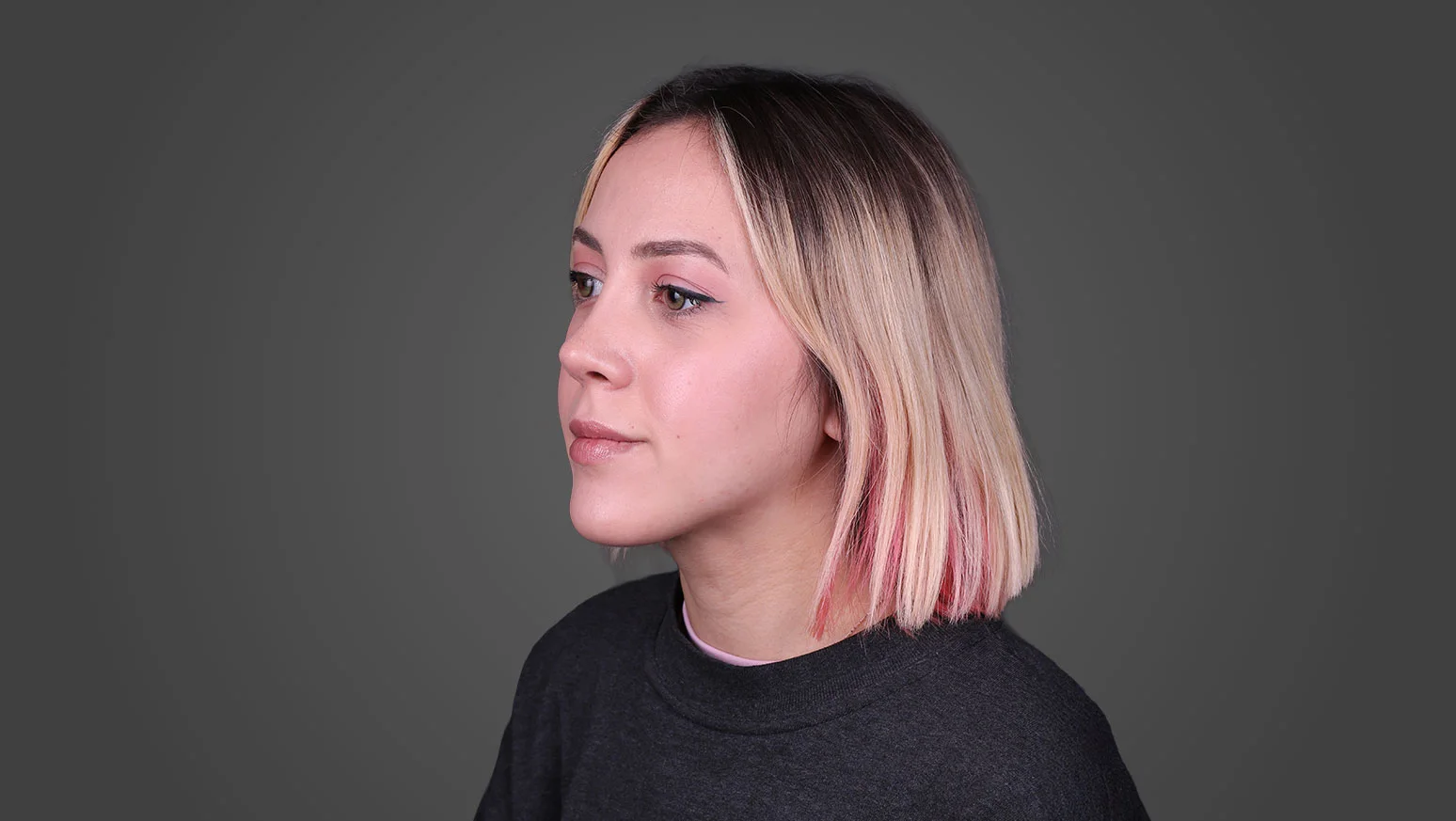
Images are for informational purposes only.

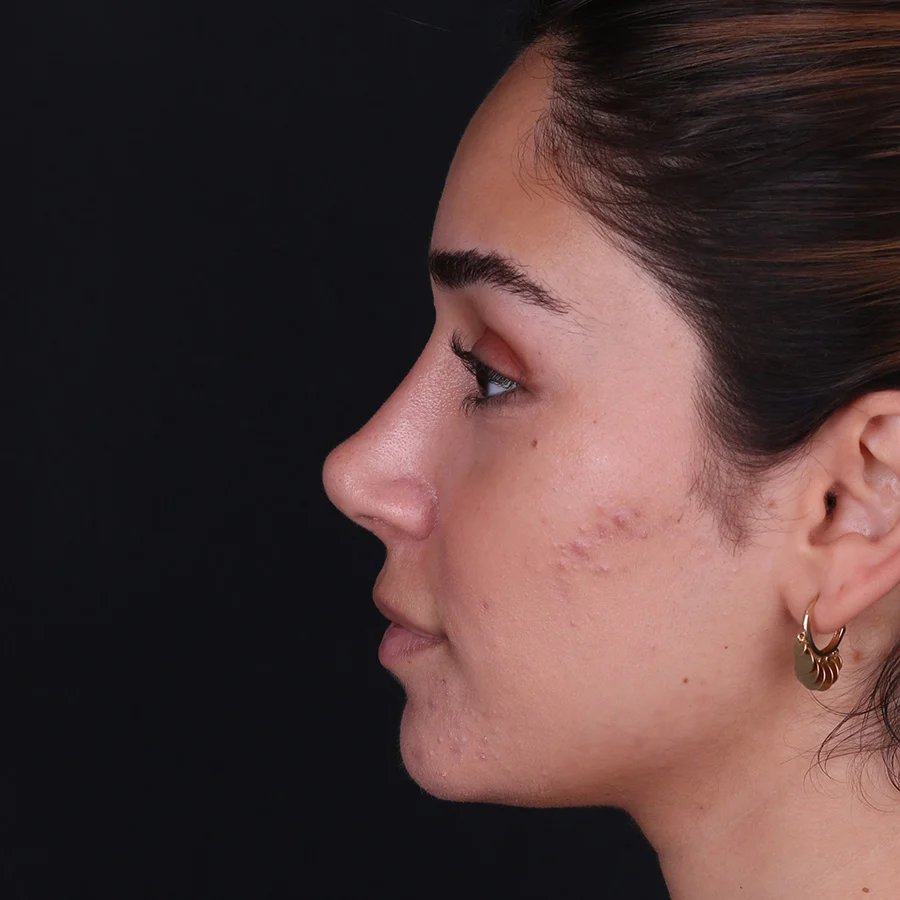
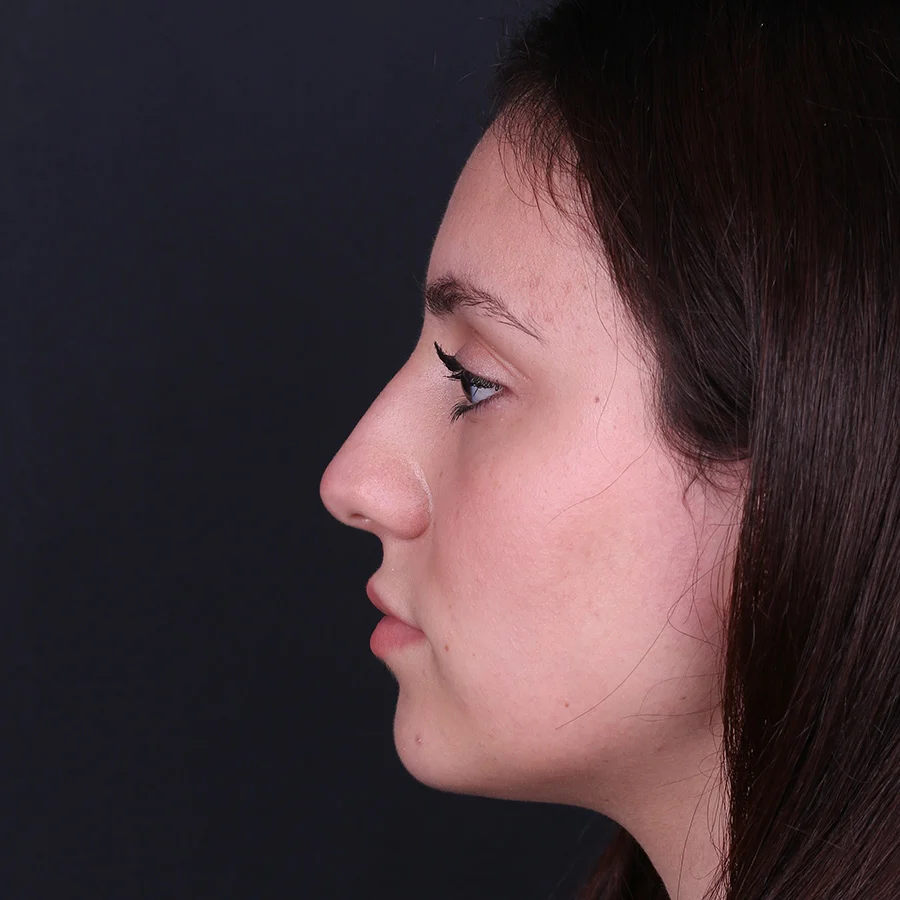


Comparison
| RhinoplastyGeneral anaesthesia | Revision RhinoplastyUsually at least 12 months after the first operation | SeptoplastyReduce obstruction related to septal deviation | Septal Perforation RepairBleeding, crusting, blockage, pain, whistling | Endoscopic Sinus SurgeryEndoscopic examination and CT scan | |
|---|---|---|---|---|---|
| Purpose | Assess appearance and function in first-time nose surgery | Appearance, breathing and support concerns after earlier surgery | Reduce obstruction associated with septal deviation | Close a hole in the septum | Re-ventilate the sinuses in chronic sinusitis |
| Anaesthesia | General | General for extensive revision | According to the surgical plan | General | General |
| Planning / duration | Duration depends on the required correction | Usually at least 12 months after the first operation | Individual duration and observation | Day of surgery | Day of surgery |
| Splints and cast | If used, review at about 1 week | According to the individual operation | If needed; removal arranged at review | Shaped splints, 7–10 days | Dissolvable material |
| Early follow-up | Often 7–10 days to desk work; swelling continues | Healing may take longer than after first-time surgery | Nasal care and airway assessment | Splints removed at 7–10 days | Saline rinses |
| Long term | Usually 12–18 months for final shape; may take longer | 12–18 months; sometimes up to 2 years | Breathing and healing reviewed over time | — | — |
The information on this page is for general information only and does not replace an examination, diagnosis or treatment. The right approach for you is decided after a consultation.
First-time nose surgery planned around appearance, breathing and structural support.
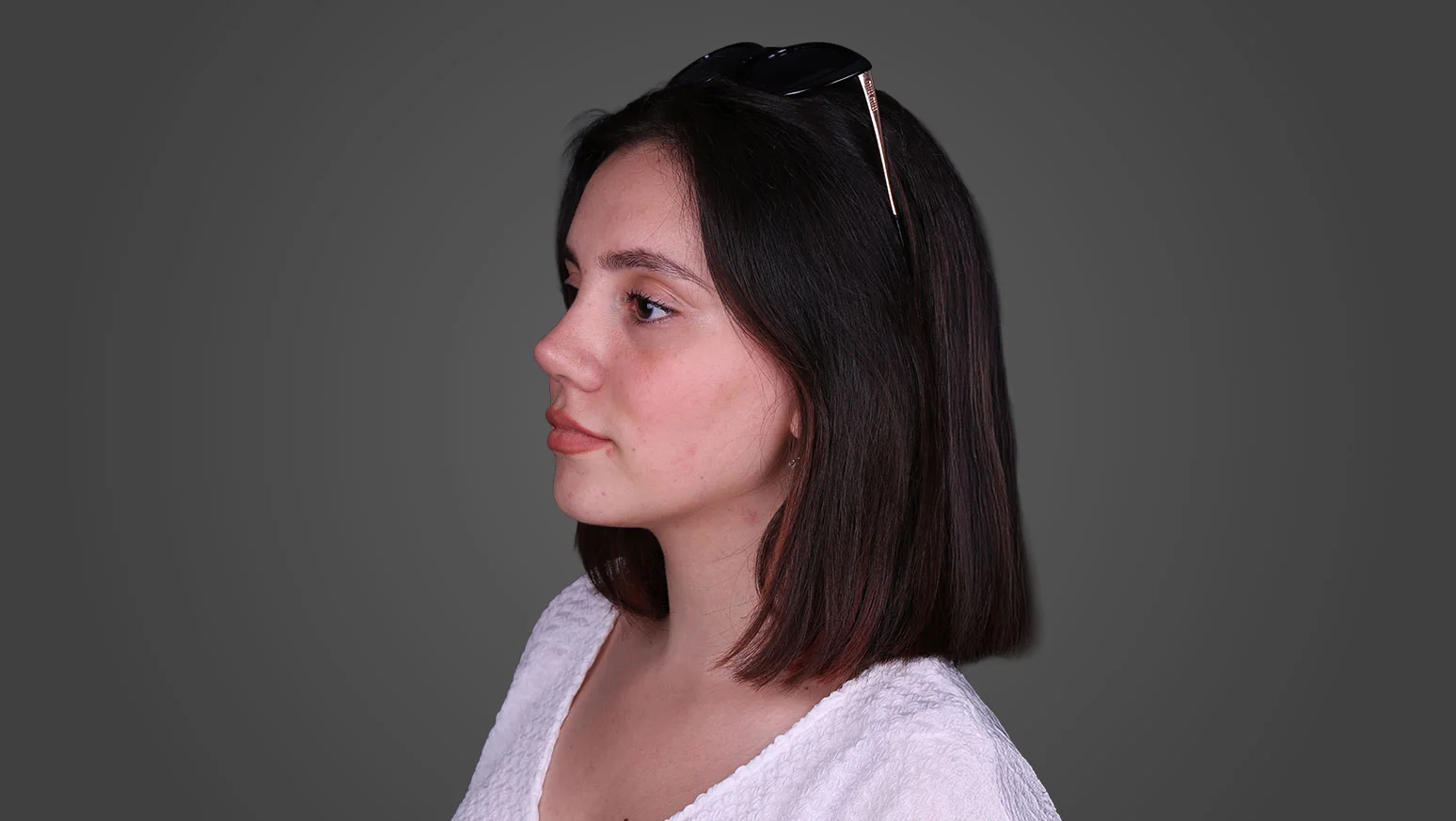
Assessment of appearance, breathing or structural concerns after previous nose surgery.

Assessment and correction of airway narrowing associated with a deviated internal septum.
Endoscopic repair of a hole in the nasal septum.
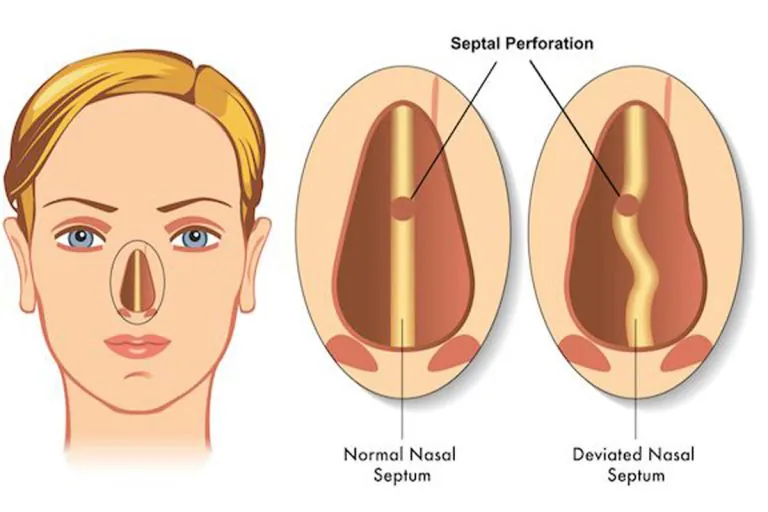
Restoring sinus ventilation when chronic sinusitis does not respond to medication.
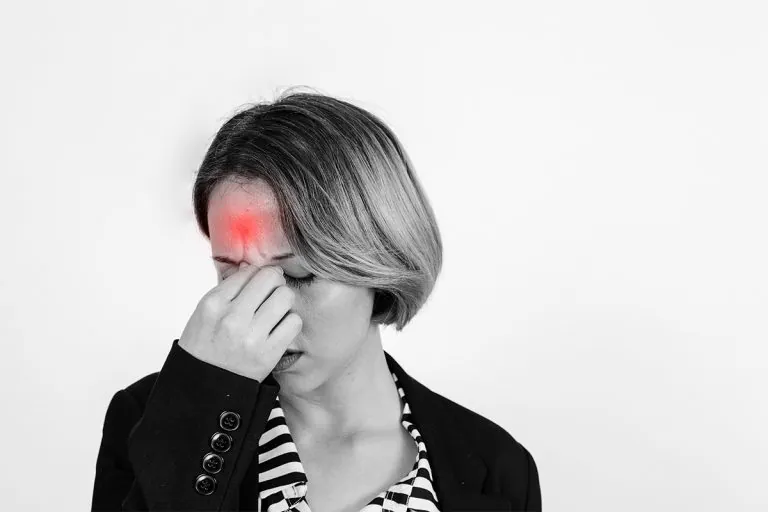
Rhinoplasty
The septum, turbinates, nasal valves and external framework are assessed; further tests are requested when needed.
Photographs and examination findings guide discussion of possible changes, alternatives and risks.
Rhinoplasty uses general anaesthesia. Associated procedures and an open or closed approach depend on the required correction.
Splints and the cast, if used, are reviewed; removal depends on the operation and healing.
As swelling reduces, nasal care and activity restrictions follow the individual aftercare plan.
The shape settles over time; thick skin and some revision cases may take longer to heal.
Different injectable approaches to volume loss and expression lines.
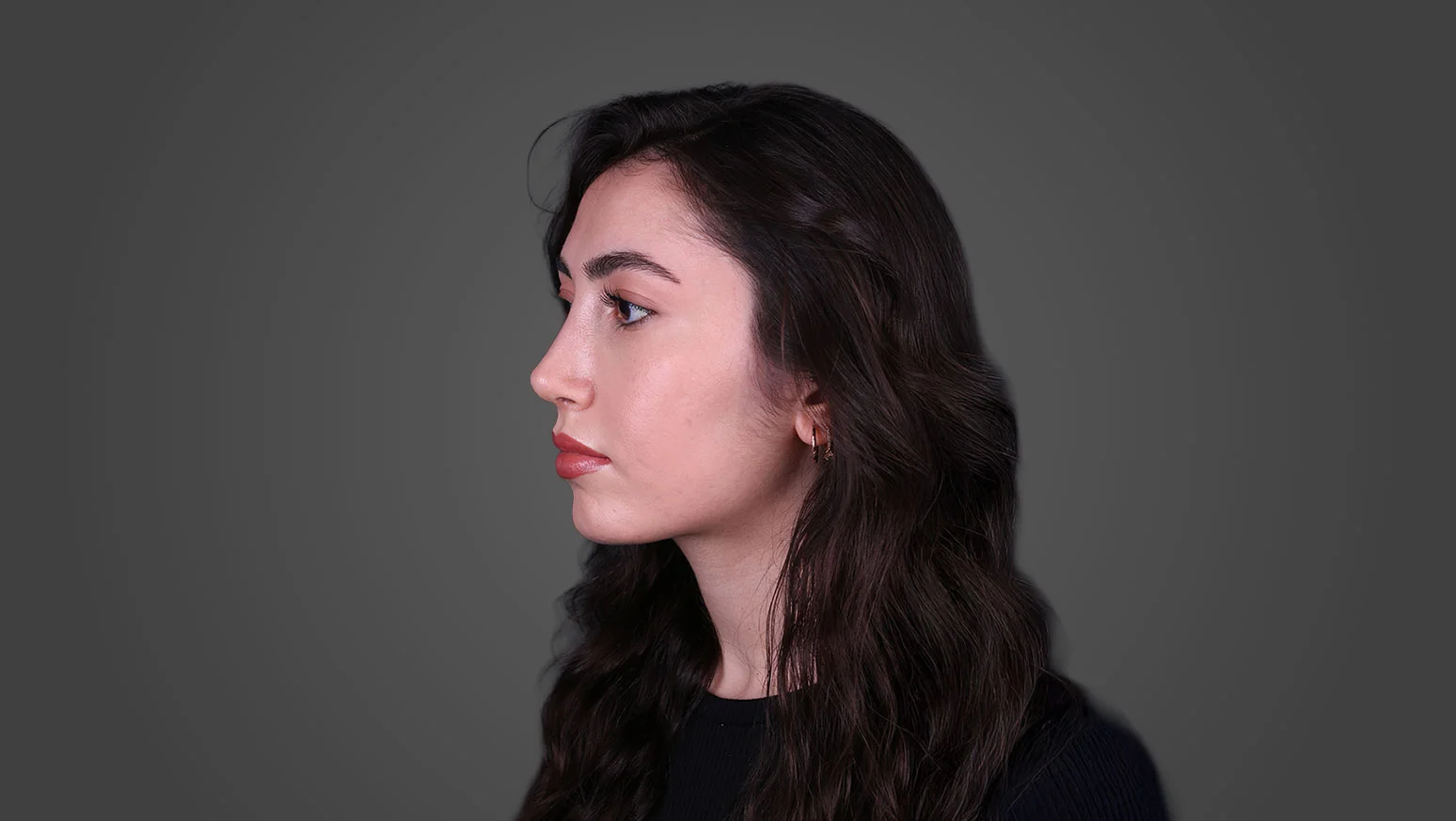
Profile assessment based on the chin, lips and nose.
Frequently asked questions
Yes. Septorhinoplasty may be planned when both the septum and external nasal structure need correction. Examination determines which areas require treatment.
If used, they are commonly assessed and removed at a review around one week after surgery. The exact timing depends on the procedure and healing.
Initial swelling and bruising reduce gradually; desk work may be possible after 7–10 days. Final shape is usually assessed over 12–18 months and can take longer.
Assessment is generally after at least 12 months; thick skin may require waiting up to 18 months. Examination and the progress of healing determine the timing.
Changing appearance is not its aim. Septorhinoplasty is considered separately if the external framework or appearance also needs correction. An unwanted shape change can occur as a complication.
No. A deviation may cause no symptoms; concerns, examination and other possible causes of blockage are considered together.
Results of any surgical or interventional procedure may vary from person to person.
The information on this page is for general information only and does not replace an examination, diagnosis or treatment. The right approach for you is decided after a consultation.
Consultation
Fill in the form and we will call you back. The right approach for you is decided together at your consultation.