


On this page
Primary rhinoplasty and septorhinoplasty
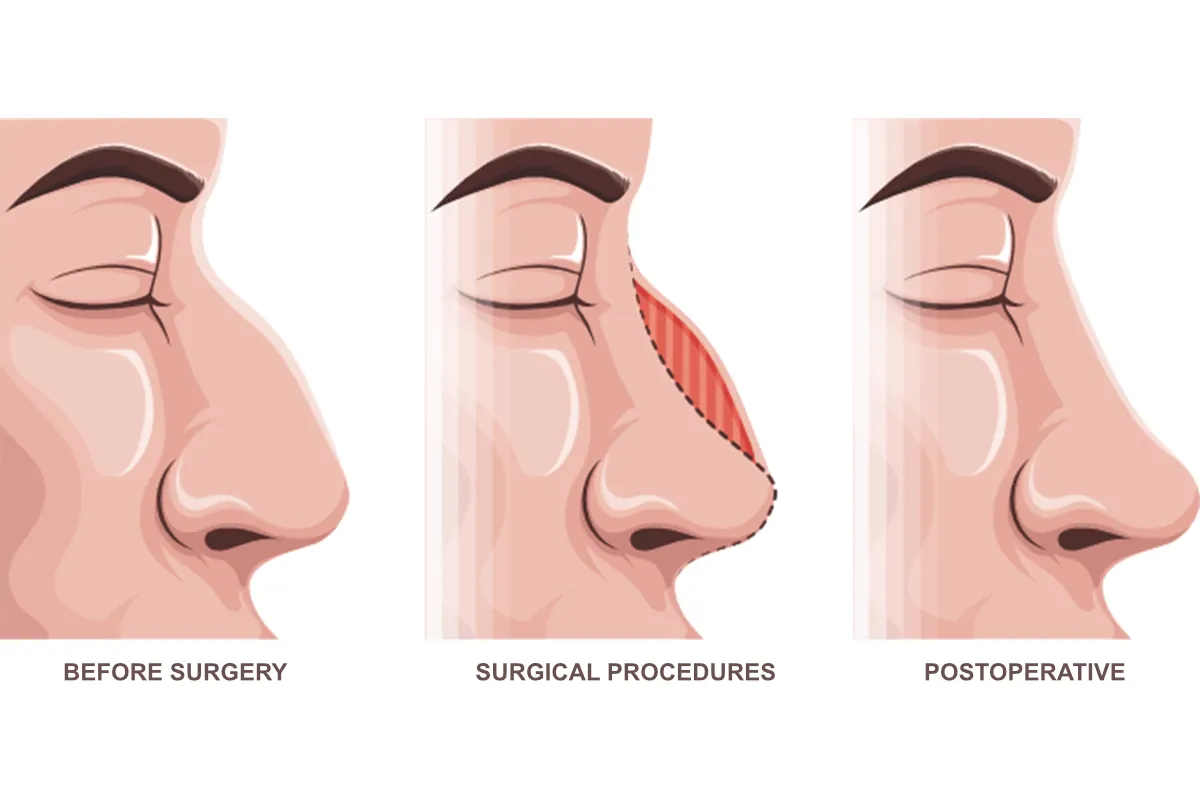
First-time surgery considers the nasal bones and cartilage, skin thickness and the rest of the face together. A proposed change should respect individual anatomy and the nose’s role in airflow.
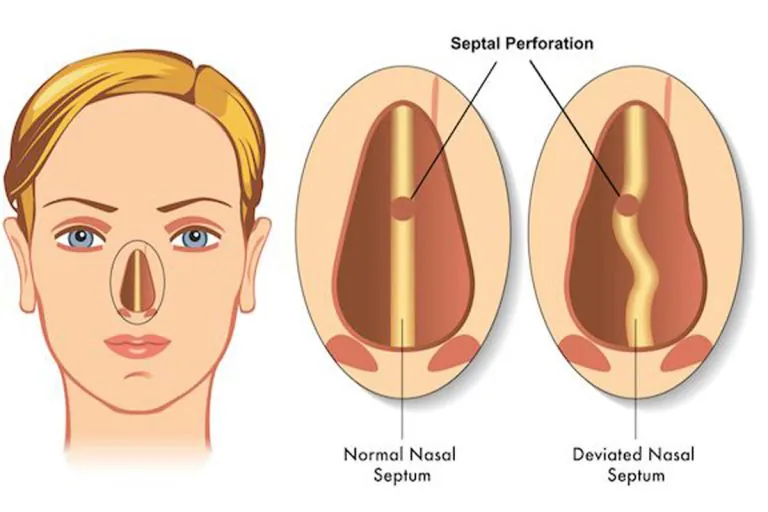
A deviated septum, enlarged turbinates or nasal valve narrowing can contribute to obstruction. Examination determines which areas need treatment; the same combination of procedures is not suitable for everyone.
Suitability and expectations
Facial development, general health, previous nasal injuries and expectations are reviewed. A nose seen in a photograph may not be achievable with another person’s facial structure or skin.
The consultation covers the limits of surgery as well as possible changes. A particular appearance or perfect symmetry cannot be promised.
Assessment before surgery
The outside and inside of the nose are examined, including the septum, turbinates and areas supporting the airway. Further investigations are requested when needed. Photographs help relate the existing anatomy to the proposed changes.
Tell the clinician about medicines, smoking, medical conditions and previous procedures. Any changes to medication and preparations for surgery require individual instructions.
Open and closed approaches
Rhinoplasty is performed under general anaesthesia. An open approach includes a small incision in the skin between the nostrils; a closed approach uses internal incisions. The required correction and nasal anatomy guide the choice.
Internal silicone supports and an external protective cast may be used. Their use and removal depend on the operation; the first review is commonly around one week later.
Recovery and everyday activities
Nasal blockage, swelling and bruising can occur initially. They improve gradually and are not necessarily gone by the end of the first week. Many people can resume desk work in 7–10 days, depending on healing and their job.
Follow your surgeon’s instructions for nasal care, saline, rest and review appointments. Glasses that press on the nose, sun exposure, exercise and protection from impact require an individual plan.
The final shape is usually assessed over 12–18 months. Thick skin or slower tissue healing can extend this period.
Risks and follow-up
Possible risks include bleeding, infection, anaesthetic complications, scarring, persistent breathing symptoms and dissatisfaction with appearance. Individual risks and the possibility of further treatment are discussed before surgery.
Contact the surgical team about unexpected or worsening symptoms. General information on this page does not replace examination or your personal aftercare plan.
Results of any surgical or interventional procedure may vary from person to person.
The information on this page is for general information only and does not replace an examination, diagnosis or treatment. The right approach for you is decided after a consultation.
Frequently asked questions
Can rhinoplasty and septoplasty be performed together?
Yes. Septorhinoplasty may be planned when both the septum and external nasal structure need correction. Examination determines which areas require treatment.
When are the splints and cast removed?
If used, they are commonly assessed and removed at a review around one week after surgery. The exact timing depends on the procedure and healing.
How long does recovery take?
Initial swelling and bruising reduce gradually; desk work may be possible after 7–10 days. Final shape is usually assessed over 12–18 months and can take longer.
Is an open or closed approach better?
There is no single approach for everyone. Nasal anatomy, the required correction and the surgical plan determine the choice.
Can I wear glasses after surgery?
Avoiding glasses that press on the nose and prolonged sun exposure for about three months may be advised. Your surgeon confirms the duration and suitable alternatives in your individual aftercare plan.